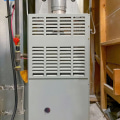
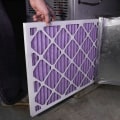
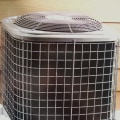
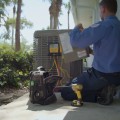
Heating, ventilation, and air conditioning (HVAC) systems are essential components of modern homes, providing comfort and maintaining indoor air quality throughout the year. These systems consist of various parts, including furnaces, air conditioners, heat pumps, ductwork, and thermostats, all working together to regulate temperature and humidity levels. Understanding the intricacies of your HVAC system is crucial for homeowners, especially when it comes to determining the right time for HVAC replacements .The average lifespan of an HVAC system typically ranges from 10 to 15 years, depending on factors such as usage, maintenance, and the quality of the installation. As systems age, their efficiency tends to decline, leading to increased energy consumption and higher utility bills.
Homeowners may notice that their systems require more frequent repairs or struggle to maintain desired temperatures. Recognizing these signs early can help prevent unexpected breakdowns and costly emergency repairs.Moreover, timely HVAC replacements not only enhance comfort but also contribute to energy savings. Newer models are designed with advanced technology that improves efficiency and reduces environmental impact. For instance, ENERGY STAR certified units can save homeowners up to 20% on heating and cooling costs compared to older models.
Therefore, understanding when to replace your HVAC system is not just about comfort; it’s also a smart financial decision that can lead to significant long-term savings.
Signs That Indicate It's Time for an HVAC Replacement
Recognizing the signs that indicate your HVAC system may need replacement is crucial for maintaining a comfortable and energy-efficient home. Here are some key indicators to watch for:- Age of the System: One of the most significant factors to consider is the age of your HVAC unit. Most systems have a lifespan of about 10 to 15 years. If your system is approaching or has surpassed this age, it’s wise to start planning for a replacement.
- Frequent Repairs: If you find yourself calling for repairs more often than usual, it may be a sign that your HVAC system is failing.
Frequent breakdowns not only disrupt your comfort but can also add up in repair costs, making replacement a more economical choice.
- Rising Energy Bills: An increase in your energy bills can indicate that your HVAC system is working harder than it should. If you notice a steady rise in costs without any changes in usage, it could mean that your system is losing efficiency and may need to be replaced.
- Inconsistent Temperatures: If certain rooms in your home are too hot or too cold compared to others, this inconsistency can signal that your HVAC system is struggling to maintain proper airflow or temperature control. This issue often points to an aging or failing unit.
- Noisy Operation: Unusual noises such as banging, clanking, or hissing can indicate serious problems within your HVAC system. While some sounds may be normal, persistent or loud noises often suggest that components are wearing out and may require replacement.
- Humidity Issues: An effective HVAC system should regulate humidity levels in your home.
If you notice excessive humidity or dryness, it could mean that your system is not functioning properly and may need to be replaced.
The Importance of Energy Efficiency in HVAC Replacements
When considering HVAC replacements, one of the most significant factors to evaluate is energy efficiency. Modern HVAC systems are designed with advanced technology that not only enhances performance but also significantly reduces energy consumption. This shift towards energy-efficient models is not just a trend; it represents a crucial step towards sustainable living and cost savings for homeowners.Investing in an energy-efficient HVAC system can lead to substantial cost savings over time.According to the U. S. Department of Energy, upgrading to a high-efficiency system can save homeowners between 20% to 50% on their heating and cooling bills. These savings stem from improved technology that optimizes energy use, ensuring that your home remains comfortable without excessive energy expenditure.Moreover, many energy-efficient HVAC systems come with the ENERGY STAR label, indicating they meet strict efficiency guidelines set by the Environmental Protection Agency (EPA).
Choosing an ENERGY STAR certified unit not only guarantees lower utility bills but may also qualify you for tax credits or rebates, further enhancing your return on investment.Beyond financial benefits, the environmental impact of switching to an energy-efficient HVAC system is profound. Traditional systems often rely on outdated technology that contributes to higher greenhouse gas emissions. In contrast, modern systems utilize eco-friendly refrigerants and advanced designs that minimize their carbon footprint. By opting for an energy-efficient model, you are actively participating in the fight against climate change and promoting a healthier planet.In addition to these benefits, energy-efficient HVAC systems often require less maintenance and have longer lifespans compared to their less efficient counterparts.
This reliability means fewer unexpected repairs and replacements, allowing homeowners to enjoy peace of mind knowing their investment is protected.In conclusion, the importance of energy efficiency in HVAC replacements cannot be overstated. From significant cost savings and environmental benefits to enhanced reliability and longevity, investing in an energy-efficient system is a wise choice for any homeowner looking to improve their comfort while being mindful of their budget and the planet.
Best Seasons for HVAC Replacement: Timing Matters
When considering HVAC replacements, timing is crucial. The seasons can significantly impact both the cost and efficiency of your installation. Understanding the best times to replace your HVAC system can help you save money and ensure a comfortable home environment.Spring: A Prime Time for Replacement
Spring is often regarded as one of the best seasons for HVAC replacements.
As temperatures begin to rise, homeowners start thinking about their cooling systems. This season typically sees lower demand compared to the peak summer months, which means:
- Better Availability: HVAC contractors are less busy, allowing for quicker installation times.
- Competitive Pricing: With fewer customers, contractors may offer discounts or promotions to attract business.
- Optimal Weather: Mild temperatures make it easier for technicians to work without the extreme heat affecting their performance.
Fall: Another Excellent Option
Similar to spring, fall is another advantageous time for HVAC replacements. As the weather cools down, homeowners often prepare for winter heating needs. Key benefits include:
- Less Rush: Like spring, fall is generally less hectic than summer, allowing for more flexible scheduling.
- Time for Research: Replacing your system in the fall gives you ample time to research and select the best unit before winter arrives.
- Potential Energy Savings: Installing a new system before winter can lead to immediate savings on heating bills.
Avoiding Peak Seasons
The summer months are typically the busiest for HVAC companies due to high demand.
Homeowners often face longer wait times and higher prices during this period. If your system fails in the summer, you may be forced into a hasty decision without adequate research. To avoid this:
- Plan Ahead: If your system is nearing the end of its lifespan, consider replacing it during the off-peak seasons.
- Schedule Maintenance: Regular maintenance can extend the life of your current system and help you avoid unexpected breakdowns during peak times.
Cost Considerations for HVAC Replacements
When considering HVAC replacements, understanding the associated costs is essential for homeowners.The total expense of replacing an HVAC system can vary significantly based on several factors, including the type of system, the size of your home, and the complexity of the installation.
1.Breakdown of HVAC Replacement Costs
- Equipment Costs: The price of the HVAC unit itself can range from $2,500 to $7,500 or more, depending on the brand and efficiency rating. High-efficiency models, such as those with ENERGY STAR certification, may have a higher upfront cost but can lead to significant savings on energy bills over time.
- Installation Costs: Labor costs for installation typically range from $1,000 to $3,000. This can vary based on your location and the complexity of the installation process. For instance, if ductwork needs to be replaced or modified, this will add to the overall cost.
- Additional Expenses: Homeowners should also consider potential additional costs such as permits, inspections, and any necessary repairs to existing ductwork or electrical systems.
These can add several hundred dollars to your total bill.
2.Budgeting for HVAC Replacement
Creating a budget for your HVAC replacement is crucial. Start by determining how much you can afford to spend without compromising your financial stability. It’s advisable to set aside an additional 10-20% of your budget for unexpected expenses that may arise during installation.
3.Financing Options
If the upfront costs are daunting, many homeowners explore financing options. Some HVAC companies offer financing plans that allow you to pay for your new system over time.
Additionally, there are government programs and incentives available that can help offset costs for energy-efficient systems.In conclusion, understanding the various components of HVAC replacement costs is vital for making informed decisions. By budgeting appropriately and exploring financing options, homeowners can ensure they invest wisely in their home’s comfort and efficiency.
Choosing the Right HVAC System for Your Home
Choosing the right HVAC system for your home is crucial for ensuring comfort, energy efficiency, and cost-effectiveness. With various HVAC system types available, understanding your specific needs is the first step in making an informed decision.1.Assess Your Home Size
The size of your home plays a significant role in determining the appropriate HVAC system. A system that is too small will struggle to maintain comfortable temperatures, while one that is too large can lead to inefficient operation and increased energy costs.
To find the right fit, consider:
- Square Footage: Measure the total area of your home to determine the required heating and cooling capacity.
- Insulation Quality: Well-insulated homes retain heat better, potentially allowing for a smaller system.
- Number of Rooms: More rooms may require zoned systems or multiple units for even temperature distribution.
2.Consider Your Climate
Your local climate significantly influences the type of HVAC system you should choose. For instance:
- Hot and Humid Climates: A high-efficiency air conditioning unit with a good SEER rating is essential for effective cooling.
- Cold Climates: A reliable heating system, such as a furnace or heat pump, is crucial for maintaining warmth during winter months.
- Mild Climates: A heat pump may suffice for both heating and cooling needs, providing versatility and efficiency.
3.Evaluate System Types
There are several types of HVAC systems to consider:
- Central Air Conditioning: Ideal for larger homes, providing consistent cooling throughout.
- Ductless Mini-Split Systems: Great for homes without ductwork; they offer flexibility and energy savings.
- Heat Pumps: Efficient for both heating and cooling; they transfer heat rather than generate it.
- Furnaces: Common in colder climates; they can be powered by gas, oil, or electricity.
4.Personal Preferences and Budget
Your personal preferences regarding comfort levels, noise tolerance, and budget constraints will also impact your choice. It’s essential to balance initial costs with long-term savings from energy-efficient models. Researching the best HVAC systems of 2023, including their features and customer reviews, can provide valuable insights into making the right selection.Ultimately, consulting with an HVAC professional can help tailor your choice to your specific needs, ensuring optimal performance and satisfaction with your new system.
Frequently Asked Questions About HVAC Replacements
When considering HVAC replacements, homeowners often have numerous questions.Addressing these common inquiries can help demystify the process and ensure that you make informed decisions regarding your heating and cooling systems.
What are the signs that my HVAC system needs to be replaced?
Several indicators suggest it may be time for a replacement:- Age of the System: If your HVAC unit is over 10-15 years old, it may be nearing the end of its lifespan.
- Frequent Repairs: If you find yourself calling for repairs multiple times a year, it might be more cost-effective to invest in a new system.
- Increased Energy Bills: A sudden spike in your energy costs can indicate that your system is working harder than it should, often due to inefficiency.
- Inconsistent Temperatures: If certain rooms in your home are too hot or too cold, it may signal that your HVAC system is failing to distribute air evenly.
How long does an HVAC replacement take?
The duration of an HVAC replacement can vary based on several factors, including the complexity of the installation and the type of system being installed. Generally, most replacements can be completed within a day. However, if additional ductwork or modifications are needed, it could take longer.What should I consider when choosing a new HVAC system?
When selecting a new system, consider the following:- Energy Efficiency: Look for units with high SEER (Seasonal Energy Efficiency Ratio) ratings to ensure lower energy costs.
- Size: An HVAC system that is too small or too large for your home will not operate efficiently. Consult with a professional to determine the right size.
- Type of System: Decide between central air conditioning, ductless systems, or heat pumps based on your home’s layout and needs.
- Brand Reputation: Research brands and read reviews to find reliable options that come with good warranties.
Are there financing options available for HVAC replacements?
Many HVAC companies offer financing plans to help homeowners manage the cost of replacements.These options can include low-interest loans or payment plans that allow you to spread out the expense over time. Be sure to inquire about financing when discussing your replacement options with contractors.By understanding these common questions about HVAC replacements, you can approach the process with confidence and clarity, ensuring that you choose the best solution for your home’s heating and cooling needs.
Conclusion: Making an Informed Decision on Your HVAC Replacement
In conclusion, determining the right time for HVAC replacements is a multifaceted decision that hinges on various factors unique to each homeowner. Throughout this article, we have explored critical aspects that influence the timing of your HVAC system replacement, emphasizing the importance of making an informed choice.First and foremost, understanding the lifespan of your current HVAC system is essential. Most systems last between 10 to 15 years, and as they age, their efficiency tends to decline.If your unit is approaching or has surpassed this age range, it’s prudent to start considering a replacement. Regular maintenance can extend the life of your system, but it cannot prevent the inevitable decline in performance.Additionally, we discussed the significance of monitoring your system's performance. Frequent repairs and rising energy bills are clear indicators that your HVAC system may no longer be operating efficiently. If you find yourself calling for repairs more often than you’d like, it may be time to evaluate whether investing in a new system could save you money in the long run.The timing of your replacement also plays a crucial role.
Scheduling your HVAC replacement during off-peak seasons, such as spring or fall, can not only save you money but also ensure that you receive timely service without the stress of extreme weather conditions.Ultimately, making an informed decision about your HVAC replacement involves weighing these factors against your personal circumstances and budget. Take the time to research different systems and consult with HVAC professionals to find a solution that best fits your needs.By being proactive and addressing potential issues before they escalate, you can ensure a comfortable living environment while optimizing energy efficiency and reducing long-term costs. Remember, investing in a new HVAC system is not just about replacing an old unit; it’s about enhancing your home’s comfort and efficiency for years to come.